

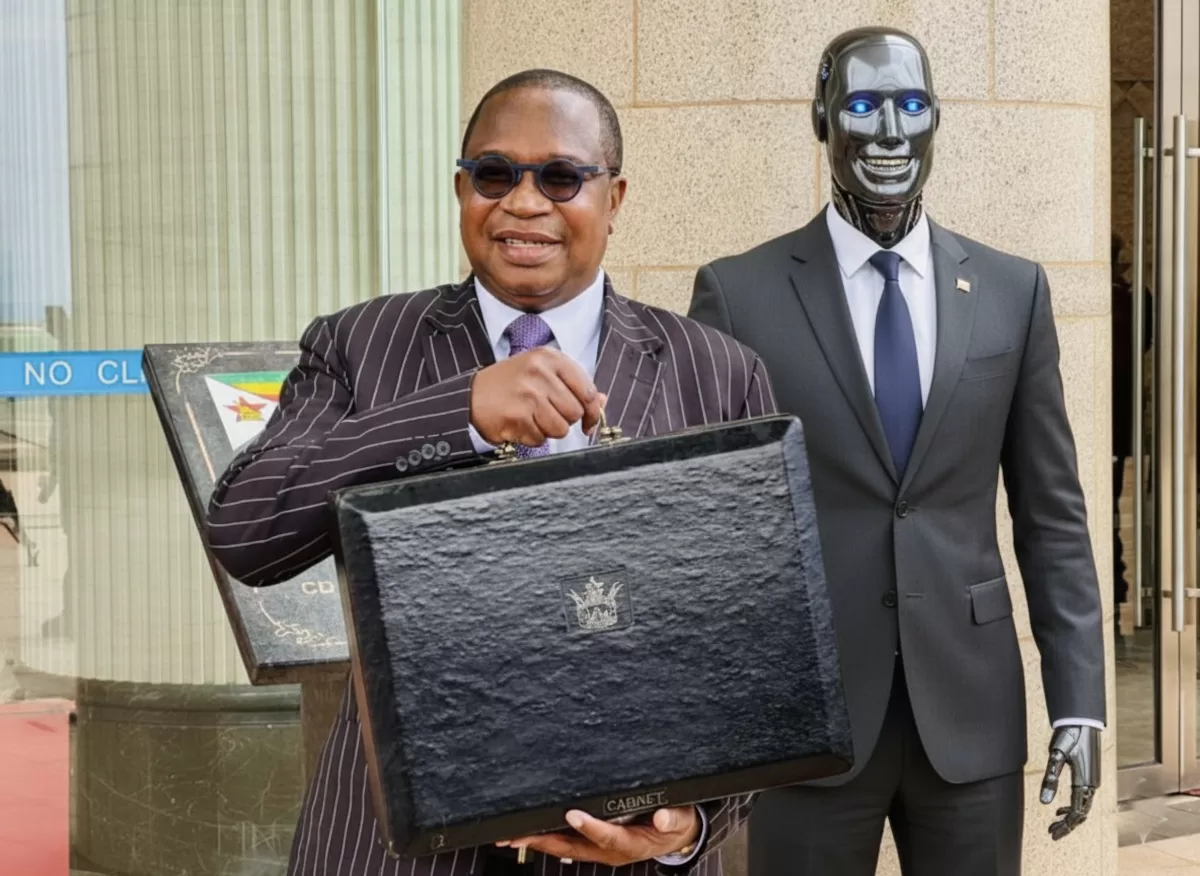
The 2026 National Budget talks about supporting businesses, encouraging digital payments, and lowering costs in the economy. But you don’t even have to dig deep to realise most measures will still hit your pocket hard.
Here are the tax changes that will matter for the average Zimbabwean, not in theory, but in a real way..
VAT goes up to 15.5%
VAT is the simplest and most efficient way for the government to collect money because everyone pays it, whether you are formally employed, in the informal sector, or earning from piece jobs. Once VAT goes up, the final price you pay goes up with it. It is that direct.
Yes, the increase is “only” 0.5%, but in Zimbabwe, nothing moves by the exact percentage of a tax change. Retailers round up, cushion themselves, and adjust for the future, all on top of the VAT adjustment.
We already budget down to the last dollar, so every increase in VAT leads to something dropping out of the shopping basket, for those who even need a basket for the few groceries they buy.
This is easily the biggest impact tax change in the entire budget. Which is weird because the budget was supposed to be about keeping stable prices.
Digital Services Withholding Tax
A brand-new tax on digital services paid to foreign platforms. The moment you pay for Netflix, YouTube Premium, a cloud server, an app subscription, or even e-hailing trips (InDrive, Bolt, etc), the bank will withhold a cut for the government before the money leaves the country.
This immediately makes digital life more expensive. If you’re a student relying on online courses, a small business using cloud tools, or just someone trying to forget the challenges of living in Zimbabwe with streaming services, your monthly digital bill is now higher.
So, yeah, they preach digital inclusion while taxing the very tools people need to participate in the digital economy. I’d rather they didn’t lie that they are all about inclusion.
The IMTT “reduction” most people won’t feel
For years, we’ve complained that the Intermediated Money Transfer Tax (IMTT) was the invisible cost baked into every price. Businesses paid it on their transfers, treated it as a non-deductible expense, and pushed the entire cost onto us, the customers.
Zanu PF said the tax must go.
Mthuli said no, the best I can do is IMTT on ZiG transactions drops from 2% to 1.5%. On paper, that sounds like something. In reality, very few ordinary people are transacting in ZiG, so almost no one benefits. The USD IMTT stays at 2% in an economy that prefers USD. And so, the cash economy keeps looking attractive.
Companies are the ones that benefit because IMTT now becomes a deductible expense when calculating taxable income.
Don’t expect prices to drop, though. While corporates benefit, they are well known for quickly passing on new costs but hardly ever passing on savings. The price inflation that was “baked in” over the years from the IMTT will likely remain as it is, meaning the savings go mostly to the businesses.
And Mthuli somehow thinks all of this will lead to people moving away from cash to his digital world. I really don’t understand that guy sometimes.
The rest of the stuff points to a contradiction
There are many other changes – gold royalties, tweaks to import duties, gold trading liberalisation, incentives for certain sectors – but for most households, their impact is smaller compared to VAT and digital taxes, at least in a direct sense.
Put together, the Budget tells a mixed story. They say the priorities are stability, digital transformation, financial inclusion and reducing the cost of doing business. But what they gave us, higher VAT, new digital taxes, and unchanged costs on USD transactions, work against all that.
In what we’ve come to realise is Mthuli’s way of doing things, it’s a Budget trying to collect more revenue while hoping the public doesn’t notice where that revenue actually comes from. The language talks about transformation, but the ordinary person still carries most of the weight, one tax adjustment at a time.
So, next time you buy some fried chicken, remember Mthuli is making a killing. He’s collecting more VAT on it, now 15.5%, his 2% (or 1.5%) IMTT is already factored in, and you have a special fried chicken tax included too. Among other things. Then the company selling you the chicken will pay taxes on the profit it made selling you that chicken in the end too. Government is gangsta I tell you.





Comments
3 responses
“…….And so, the cash economy keeps looking attractive……”
I heard there is a new tax on USD cash withdrawals. Is it true? If yes, then banks are screwed and we will all need a bigger “mattresses “.
This cash economy unfortunately makes us particularly vulnerable to thieves, burglars and armed robbers. Especially now during the festive season. Stay safe! 🎅🏾🎄🧑🏽🎄 🎄 🤶
Unfortunately, because of this cash economy, we are more susceptible to armed robbers, burglars, and thieves. especially now that the holiday season has begun. Be careful.