

Welcome back, and thanks for joining us for another edition of the Weekly Tech Report.
This is where we dive into everything new and interesting in the world of technology, from the devices making waves globally to the practical tips and insights that matter most to us here in Zimbabwe.
Every week, we bring you the latest gadget releases, essential software updates, solutions to common tech headaches, and a look back at the innovations that shaped our digital lives. So, grab your device, and let’s explore what’s new this week.
NEW DEVICES: The Week’s Latest Gadgets
Google Pixel 10 Pro Fold
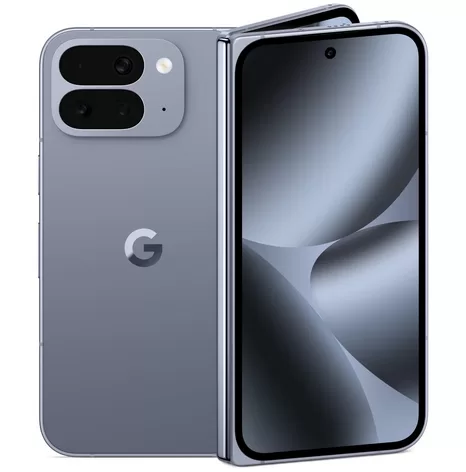
Google’s latest foldable looks almost identical to the previous one. However, it appears to have been refined and feels sturdier than last year’s model, with a new hinge design that gives it that satisfying “click” when you open or close it. The 8-inch inner OLED display unfolds into a square-ish canvas that hits a crazy 3000 nits at peak brightness, while the outer 6.4-inch screen has the same 120 Hz refresh rate.
Inside, Google’s Tensor G5 chip teams up with 16 GB of RAM; it’s a good setup, but that processor is leagues behind the Snapdragon in phones like the Galaxy Fold 7. Battery life comes from a 5,015 mAh cell that supports both 30 W wired and magnetic Qi2 wireless charging.
The camera setup hasn’t changed much: a 48 MP main, 10.5 MP ultrawide, and 10.8 MP 5× telephoto, but Google is betting its AI photography magic can still impress. The standout here is durability: this is the first foldable with an IP68 rating, a quiet but big deal in the foldable category. It now matches regular mainstream flagships in water and dust resistance.
The Fold goes for $1800, so yeah, foldables are still not for the faint of heart.
itel A100C
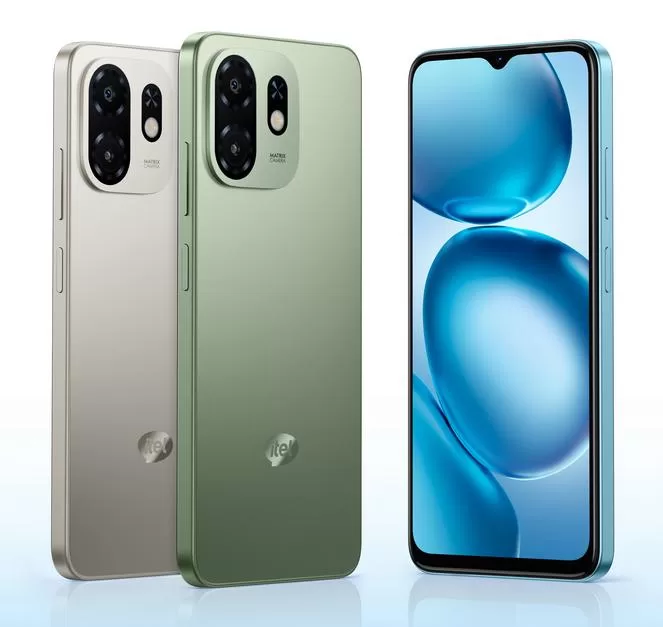
itel keeps playing its part in the entry-level market, and the A100C competes squarely in that space. The phone focuses on doing the basics right, without much fluff or marketing gimmicks, which means calls, chats, and light social media, while looking more modern than the price tag suggests.
The 6.6-inch display refreshes at 90 Hz, which is always nice to see in this price bracket, even if the resolution stays at HD+. Under the hood is an entry-level Unisoc chip paired with 2 GB of RAM and 64 GB of storage, expandable with a memory card. There is a 128GB, 4GB RAM option, though.
The 8 MP main camera won’t win any awards, but it captures enough detail for casual use, and the 5,000 mAh battery should easily stretch into a second day. itel ships it with Android 15 Go Edition, the light version that keeps things running smoothly, and even claims some “military-grade” durability for some peace of mind. The A100C won’t tempt you away from the S25 Ultra, but it’s a reminder that smartphones don’t have to cost a fortune to be acceptable to use.
HMD Touch 4G
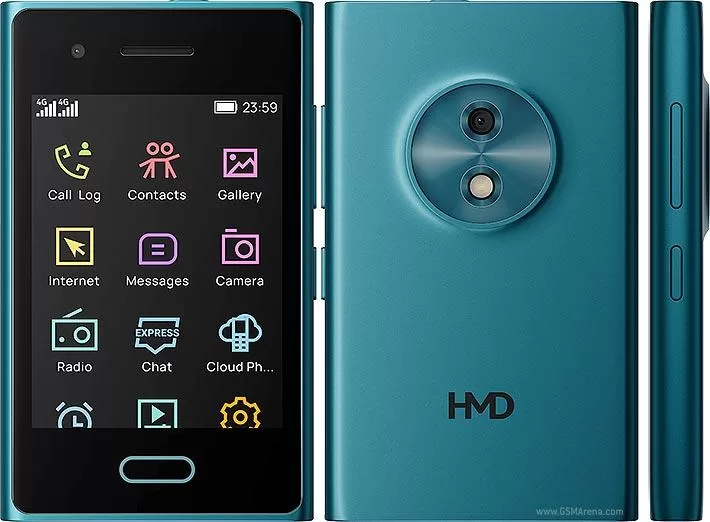
HMD’s new Touch 4G is an interesting little gadget, a feature phone (mbudzi) that’s learning a few smartphone tricks. It has a tiny 3.2-inch touchscreen and runs a system called RTOS with a cloud-based interface that lets you make video calls, join group chats, and stream light apps without needing Android.
With just 64 MB of RAM and 128 MB of storage, I don’t quite know how it’s able to do that. If 128 megabytes of storage seems too little, after being used to 128GB on entry-level Androids, you can at least add a 32GB micro SD card to the Touch.
The phone’s design kinda looks like old Nokias by design: small, pocketable, and built to last, with IP52 splash resistance and a 1,950 mAh battery that can last over a day. There’s even a 2 MP rear camera and a VGA selfie lens, which will be potato-quality, but more than most feature phones manage. It’s for those who miss pre-smartphone life, yet still want the option to join a WhatsApp call if needed. Or rather, for those on a tight budget, as the phone costs only about $45.
vivo V60e
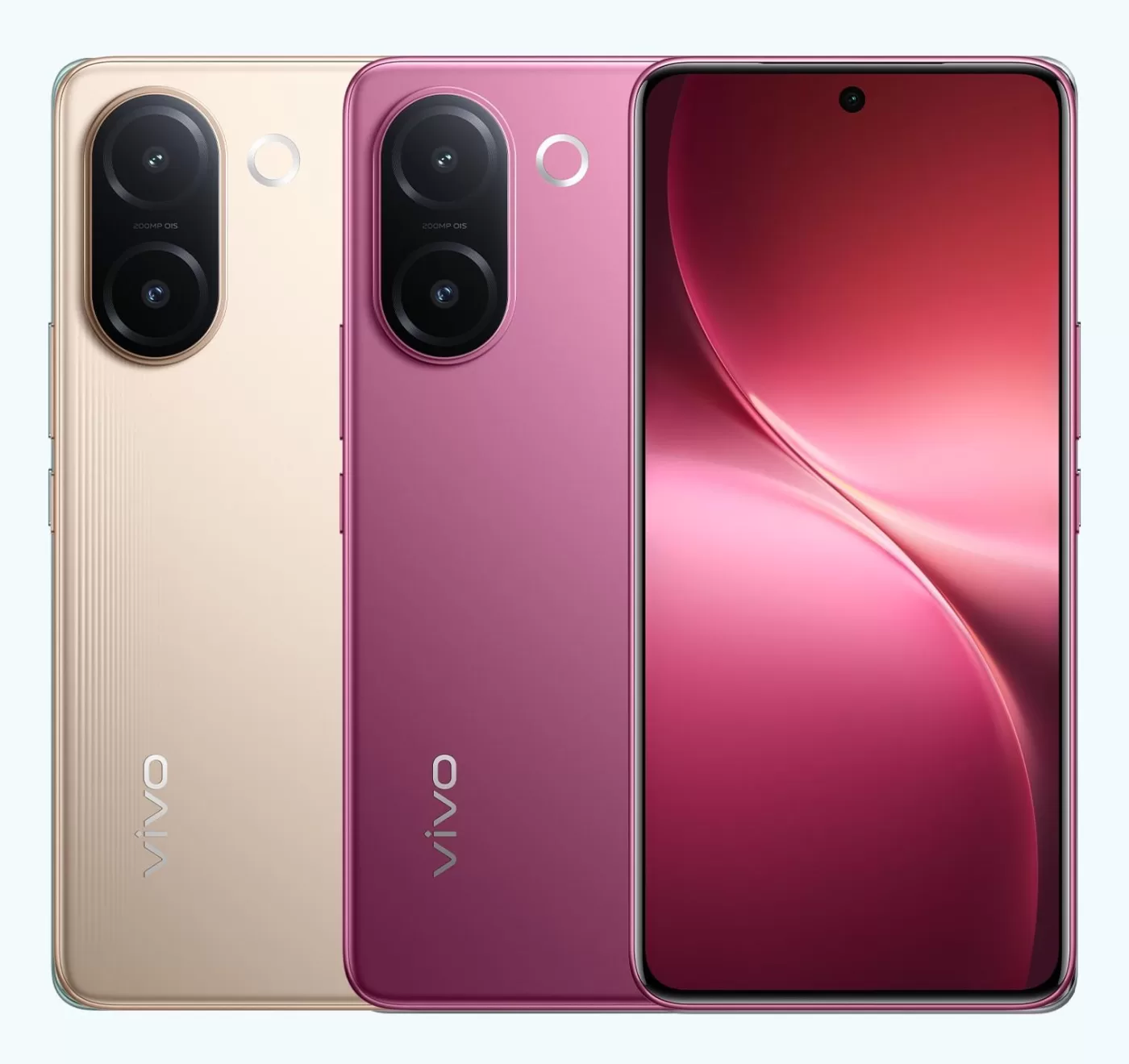
vivo likes to say they are all about sleek design and camera performance, and the V60e seeks to continue that with the iPhone 17-inspired look. The phone packs a large 6.77-inch AMOLED panel with a smooth 120 Hz refresh rate and bright 1,600-nit peak output. Powering it is MediaTek’s Dimensity 7360 Turbo chip, which pairs with up to 12 GB of RAM and 256 GB of storage.
The big talking point is that 200 MP main camera on the back, joined by vivo’s Aura Light ring, which helps portraits look more natural, or so they say. The selfie side is decent too, with a 50 MP front shooter.
Underneath all that, a 6,500 mAh battery with 90 W fast charging keeps the lights on. vivo even promises IP68 and IP69 protection, a huge flex in the mid-range class. If you want near-flagship camera numbers without paying flagship prices, the V60e should be on your shortlist. It’s a great deal for $338.
Acer TravelLite Essential
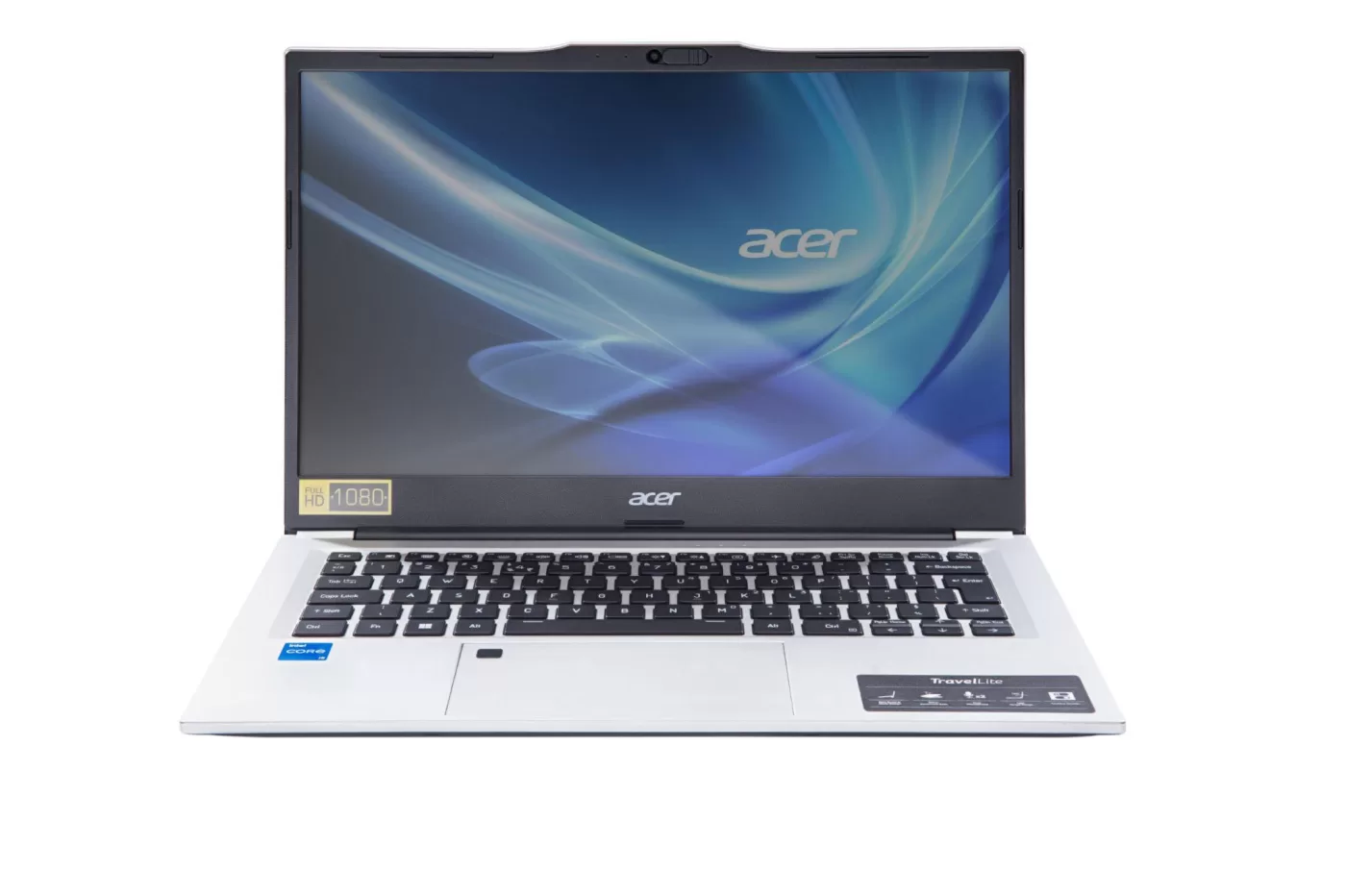
Acer’s new TravelLite Essential laptop is built for practicality rather than bragging rights. It’s a clean, minimal machine with a 14-inch Full HD display and AMD’s Ryzen 5 7430U processor inside. It’s light enough to slip into a satchel without feeling it, and the price, in the US $400-500 range, makes it one of the cheapest and usable Windows laptops you can buy.
There aren’t many unique or impressive features here: you get a straightforward keyboard, decent battery life, and enough power for browsing, document work, and streaming. Acer clearly designed it for people who want portability and efficiency without overpaying for features they’ll never use. It’s not flashy, but it nails the “essential” claim in its name.
SOFTWARE NEWS: Apps in ChatGPT, Programming language fights, AI in the courtroom…
OpenAI imagines a world where AI is the platform
OpenAI this week showed us where it wants the tech world to go, a future where AI isn’t just a tool, but the platform. In its “Developer State of the Union,” the company announced upgrades across its lineup, including the more capable GPT-5 Pro model and Sora 2, which is mind-blowingly impressive. Seriously, google some Sora 2 creations and you will see. Too bad you probably can’t use Sora 2 at the moment, as it’s by invitation only to control demand.
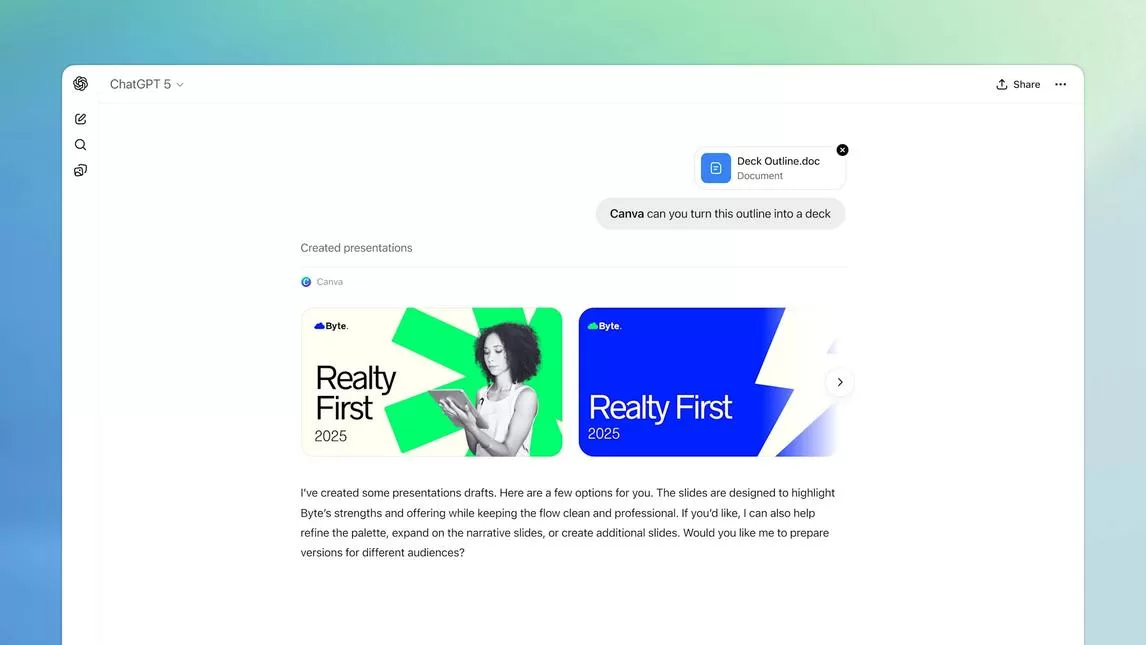
But the biggest headline was that ChatGPT is turning into an app store. Developers will soon be able to publish their own AI applications inside ChatGPT, turning it into a new kind of ecosystem, one where you don’t install software but simply talk to it.
Early partners include Spotify, Canva, Coursera, Booking.com, and Zillow, offering integrations for music, design, education, travel, and real estate.
Developers can now build third-party tools, powered by OpenAI’s new AgentKit SDK, that live inside ChatGPT. You could ask for a ’90s R&B playlist, and ChatGPT uses the Spotify app to make and play it. Or plan a trip from Harare to Cape Town, and the Expedia app handles the bookings directly in chat. Or if you need a quick poster, the Canva app can spin up a design without ever leaving the conversation.
Users no longer have to switch tabs or learn API commands. Just talk, and ChatGPT coordinates everything behind the scenes.
OpenAI also teased some hardware, its upcoming AI device. So far, AI devices have been spectacular failures, but if anyone has a chance of succeeding, it’s OpenAI.
The AI chip wars heat up

While OpenAI showed its software side, the hardware world around it is a battlefield. AMD announced a massive 6-gigawatt, multi-year deal with OpenAI, built around its new Instinct MI450 GPUs. These chips will power the next generation of OpenAI’s infrastructure, with the first large-scale rollout planned for the second half of 2026. This means AMD is finally competing with NVIDIA in this space.
But NVIDIA isn’t sitting still. CEO Jensen Huang talked about a change in strategy: NVIDIA will now sell directly to OpenAI, instead of its usual route through cloud providers like AWS or Azure. It’s a small but important move which shows that the world’s most powerful AI companies are building direct relationships with the chipmakers themselves. The competition between NVIDIA and AMD is no longer just about performance specs; it’s about whose hardware powers AI’s future infrastructure.
The classics refuse to die
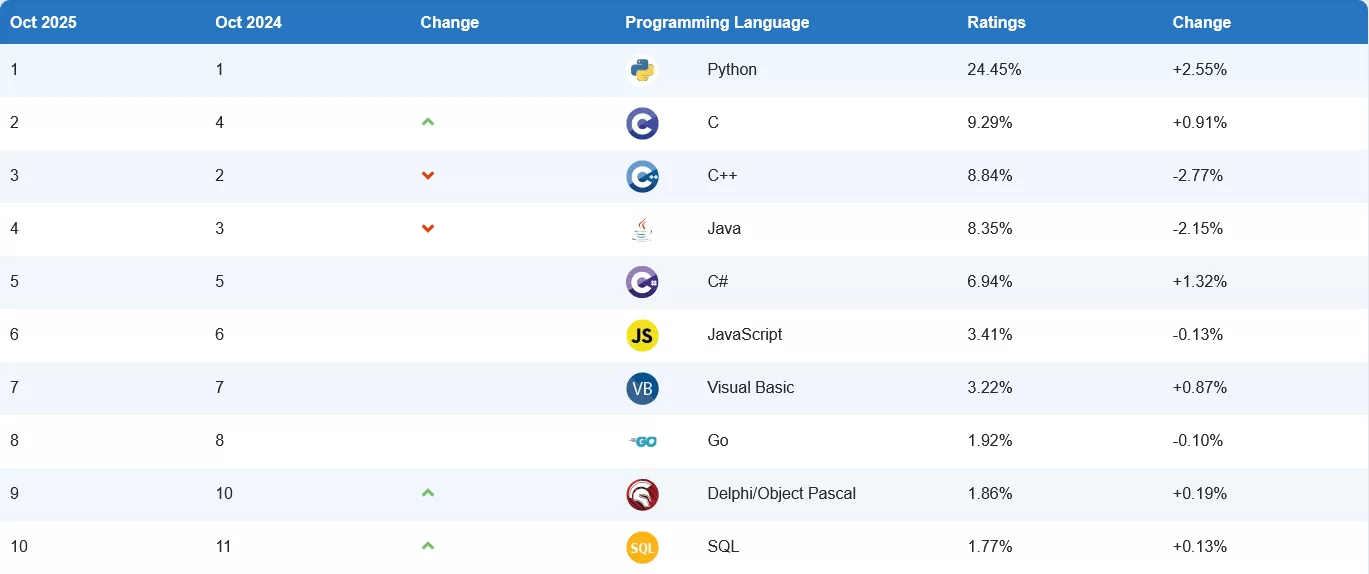
In programming language news, the TIOBE Index is interesting. C has reclaimed the number-two spot, beating Java and C++ in an ongoing battle. All three have been around for decades, yet they’re still evolving rapidly, with C++ 23, Java 23, and fresh C standards keeping them relevant.
The fight for second place might seem silly, but it shows how important these older languages remain, especially in the age of AI, where performance and reliability still matter.
So while the new kids like Python and Rust grab headlines, it’s the veterans, C, C++, and Java, that continue to power much of the software we rely on every day.
Relativity brings AI to the courtroom, responsibly this time
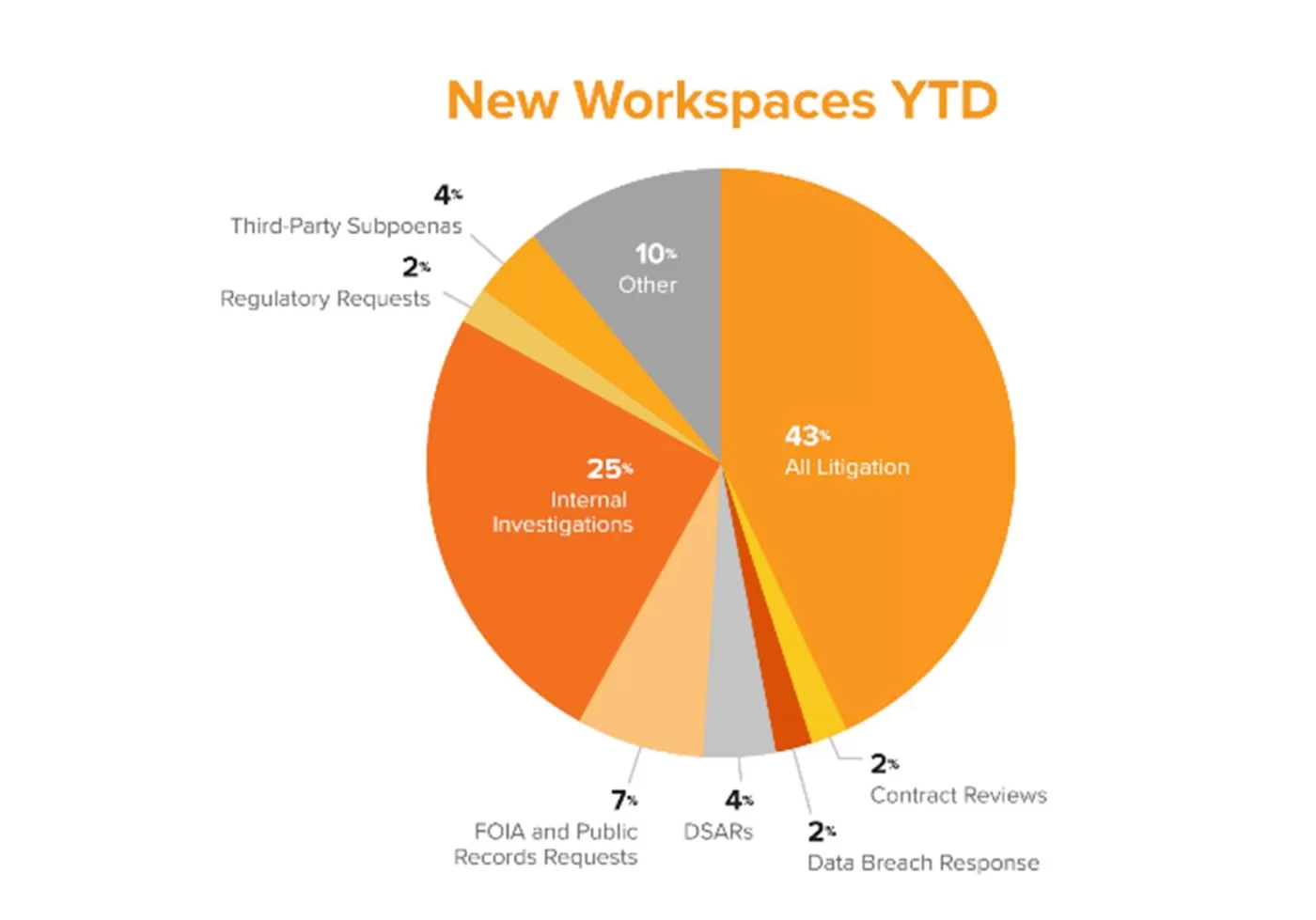
At Relativity Fest 2025, the legal tech firm announced that its AI tools, aiR for Review and aiR for Privilege, are becoming standard features in its cloud platform, RelativityOne. These tools help lawyers go through documents faster and flag potential privilege issues automatically.
It’s different from the early days of “AI in law,” when some lawyers tried to let ChatGPT draft their court filings, only to find the cited cases didn’t exist. Now, the industry is maturing and embracing AI built for legal workflows rather than thinking that general chatbots can do all the work for them.
PROBLEM SOLVER: Overnight Charging and ZESA Realities
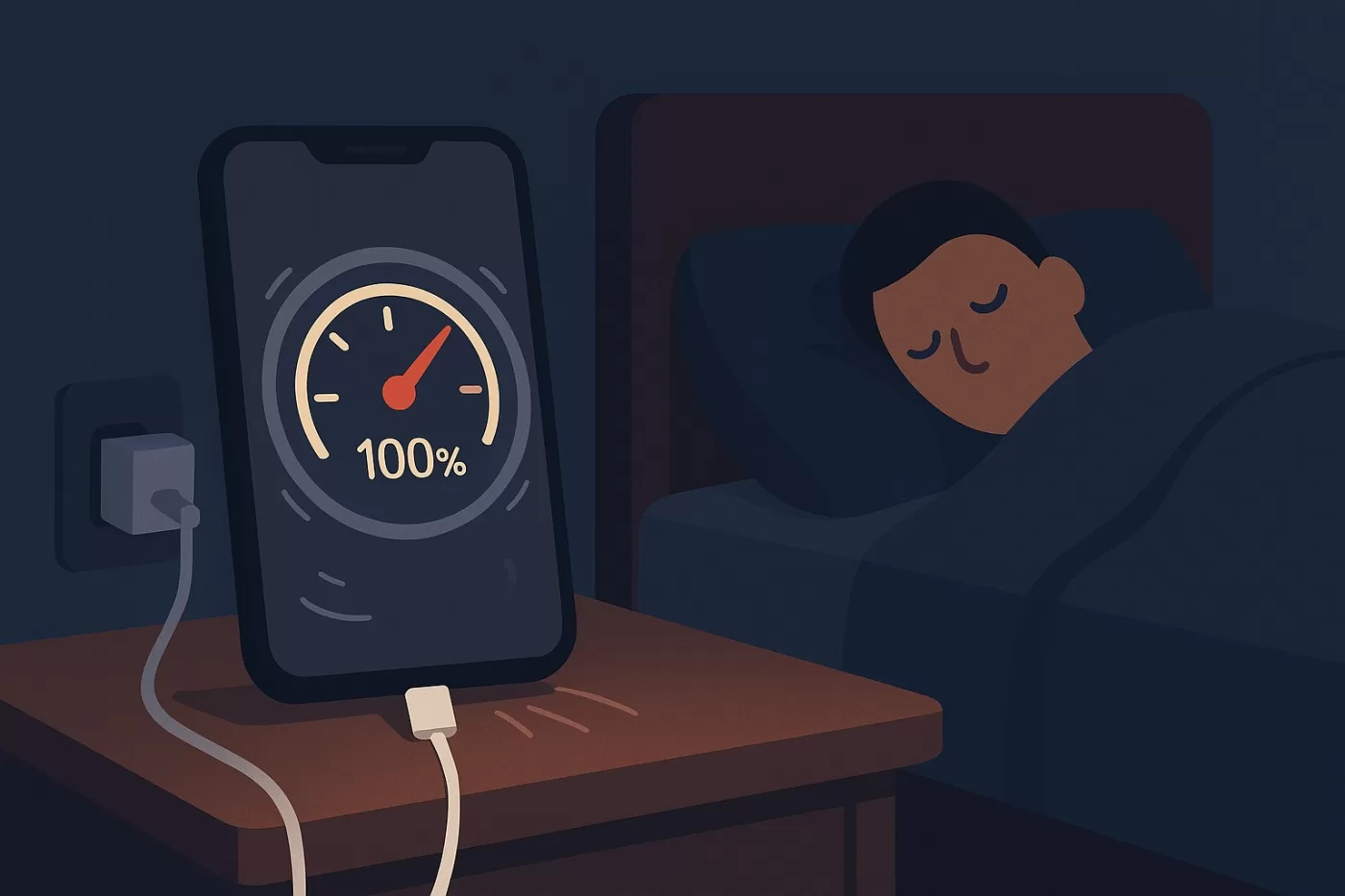
For most Zimbos, charging a phone overnight isn’t a choice; it’s survival. With ZESA schedules that keep the lights off all day and only come back on close to midnight, you plug in your phone and hope it’s at 100% by morning. But is that habit slowly killing your battery?
The short answer: not immediately, but it doesn’t help.
Modern phones are smart (they’re called smartphones, remember); once the battery hits full charge, the charging circuit cuts power to prevent overcharging. So your phone won’t “explode” or get fried just because it’s plugged in overnight.
The real issue is heat. When power returns in the middle of the night, the voltage spikes can cause small surges that generate heat, especially if you’re using a cheap charger or one that’s always connected to a live socket. Over time, that heat degrades the battery’s chemistry.
Then there’s trickle charging; even after reaching 100%, the phone occasionally tops up the battery to keep it full, which stresses the cells if it happens daily. Combine that with ZESA’s sketchy supply, and that could mean shortened battery life.
What You Can Do
- Use a quality charger. If your phone came with one, just use that original one. If it came without a charger like most non-Chinese phones, make sure you buy a quality one, and know that if it costs $5, for example, it’s highly unlikely to be a good one. Cheap ones lack surge protection.
- Plug into a surge protector or UPS if you have one.
- Avoid covering your phone while charging; let it breathe.
- Charge when power is available, but if you can, unplug once you’re awake and the battery is full.
- Consider a power bank for topping up during the day; it’s safer than waiting for that midnight shift.
If you’re using a newer device from brands like Samsung, Xiaomi, or Apple, you can also enable “Optimised Charging” in settings. It learns your routine and pauses charging at around 80%, finishing up right before you usually wake up. It makes a big difference over time.
So no, you don’t have to lose sleep over overnight charging, but with ZESA’s unpredictable schedule, being smart about how you charge could mean your battery lasts a year or two longer.
APP OF THE WEEK: Crunchyroll
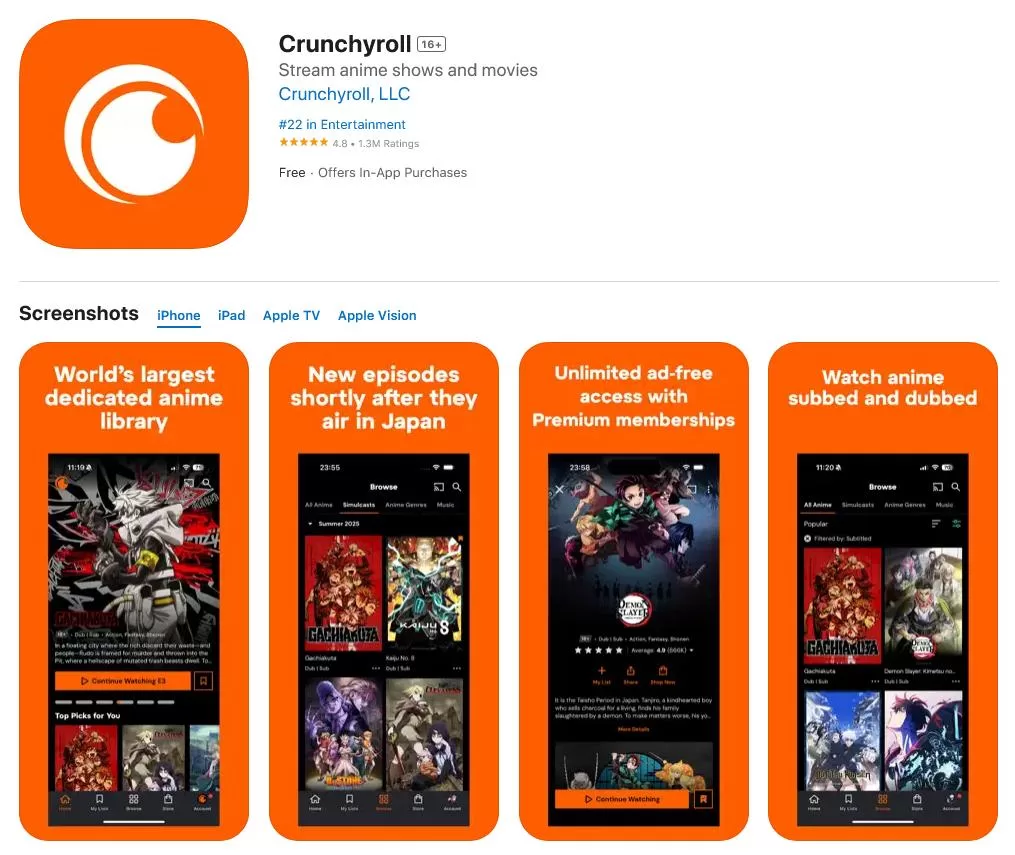
If you’ve spent years sailing the high seas for your anime fix, maybe it’s time to retire the ship. Crunchyroll is the home of legal anime streaming, and it has a massive library that’s surprisingly generous even on the free plan.
You don’t need a subscription to enjoy popular titles like Naruto or, Chainsaw Man, all available in HD with proper subtitles and no sketchy pop-ups in sight. The free tier is ad-supported, but the experience is smooth enough that you can binge without frustration.
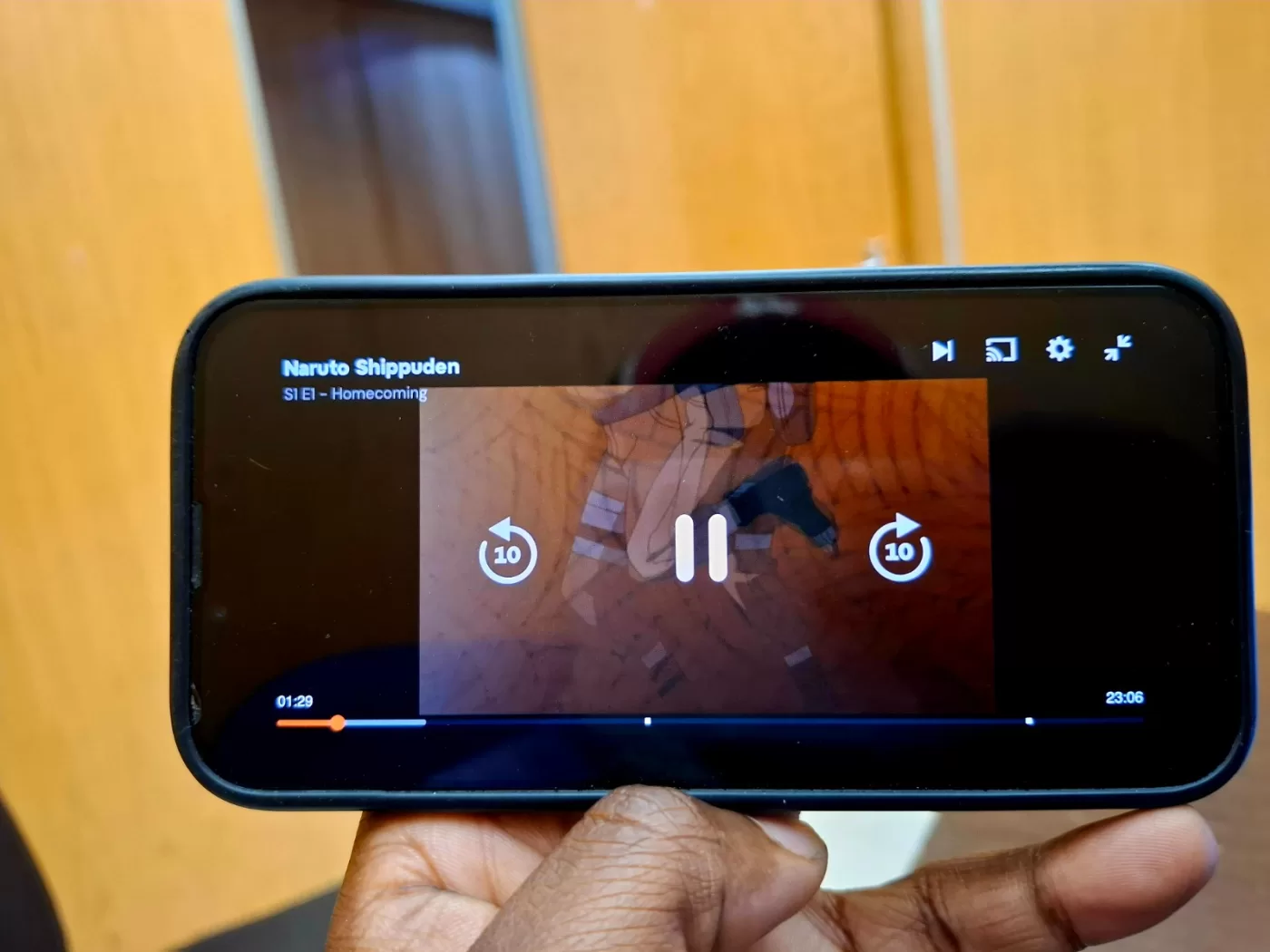
If you decide to go premium, you unlock stuff like offline viewing, simulcasts straight from Japan, and an ad-free experience. Crunchyroll is available on Android, iOS, and smart TVs, so you can pick up where you left off, whether that’s on your phone in a kombi or your TV at home when ZESA behaves.
Quick Tip
Some shows are region-locked, meaning they might not appear in the Zimbabwe catalogue. A good VPN can expand your options, letting you explore Crunchyroll’s full global library.
So, if you’ve been looking to go legit without giving up convenience or variety, Crunchyroll makes it easy to do the right thing, and still binge responsibly.
BLAST FROM THE PAST: When You Could Swap Out a Battery
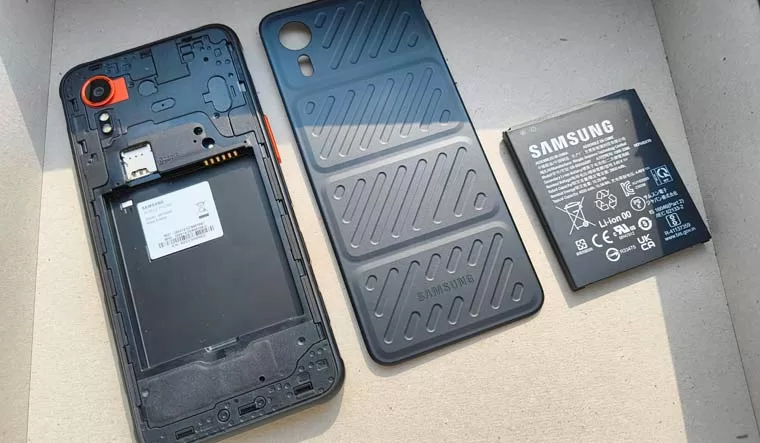
Remember when your phone died, and instead of panicking, you just popped off the back cover and swapped in a fresh battery? Back in the days of Nokias, early Samsungs, and the mighty BlackBerry, removable batteries were standard.
Then we get to today, and that nice feature is nowhere to be seen. Most modern smartphones have sealed batteries, glued and hidden beneath layers of glass and metal.
There are still a few phones with removable batteries, mainly rugged phones from brands like Samsung’s Galaxy XCover, or niche models like Fairphone, but they’re the exception, not the rule.
So, What Happened?
Manufacturers gave a few official reasons for sealing up our batteries:
- Design and durability – Non-removable batteries allow for slimmer designs and better water and dust resistance.
- Structural integrity – Phones with unibody frames can better survive drops and feel more premium.
- Battery optimisation – With fast charging, software-controlled battery health, and efficient chips, they argued you no longer needed to swap batteries.
But there’s another angle: control and getting you to upgrade phones more often. Sealed batteries mean you can’t easily replace an ageing one, pushing you toward upgrading every two or three years.
For us Zimbos, where ZESA outages make every per cent of battery life precious, the loss of swappable batteries is particularly painful. Being able to charge one pack while using another made more sense than ever, but the goal of sleek design left practicality behind.
The crazy bit is that manufacturers now talk about sustainability and right-to-repair and the removable battery might just make a comeback. The EU’s new regulations already push for easily replaceable batteries by 2027. So maybe we will get it back.






Comments
One response
How much is the itel A100C
Anemukoto wekuhodha maphones also pls help